:quality(85):upscale()/2025/11/10/782/n/49351757/8170ecd6691224df8bd1d7.49547606_.png)
:quality(85):upscale()/2025/11/21/894/n/24155406/f08298fe6920cb78a61ca3.64427622_.jpg)
:quality(85):upscale()/2025/10/31/699/n/24155406/907a28006904d9f5870b34.67078517_.png)
:quality(85):upscale()/2025/11/26/724/n/1922153/364868b6692729990f9002.05869709_.png)











Sapphire PR manager wishes AMD and Nvidia would let partners run wild with design — wants freedom to bring back Toxic line more often
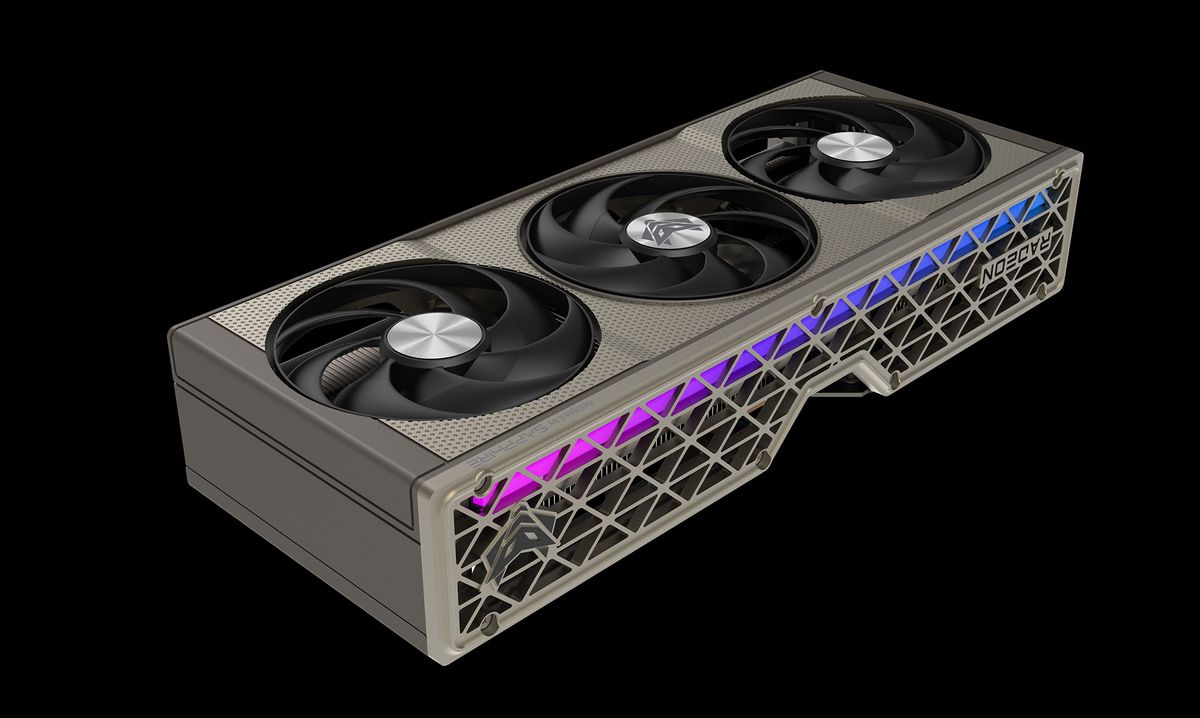
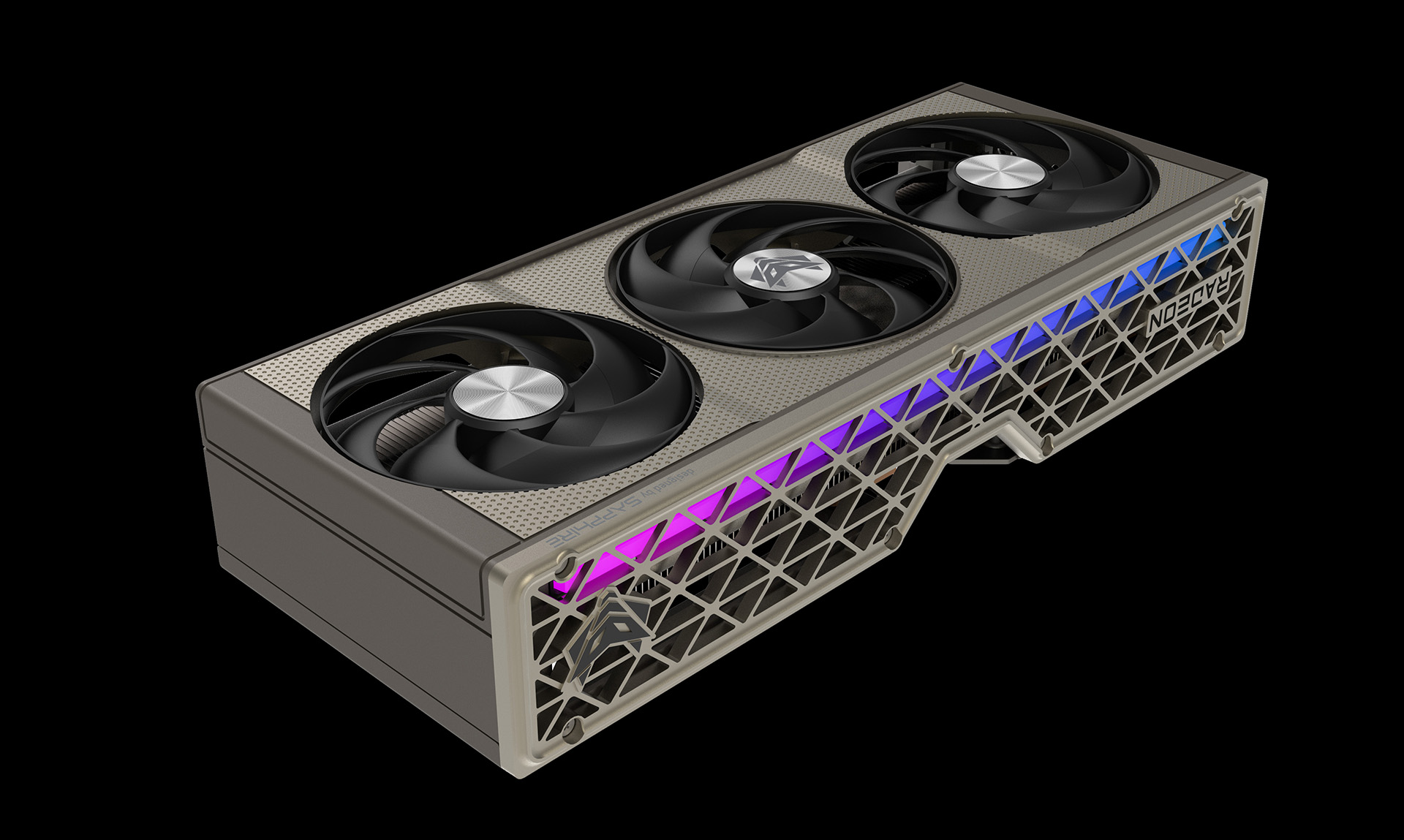
Edward Crisler, PR manager at Sapphire Technology, wishes his company had more freedom in design. In a recent podcast with Hardware Unboxed discussing Sapphire graphics cards and the GPU market, the PR manager and PC enthusiast said that he wished AIB partners like Sapphire would be free to make their own graphics cards without limitations applied by chip makers like AMD and Nvidia.
In the GPU market where nearly all graphics card models perform the same across all AIB partners that make them. "I personally wish they would let us be the companies that we are, instead of trying to create the mold," he said.
How The DRAM Crisis Will Affect Gaming GPUs (feat. Ed from Sapphire) - YouTube
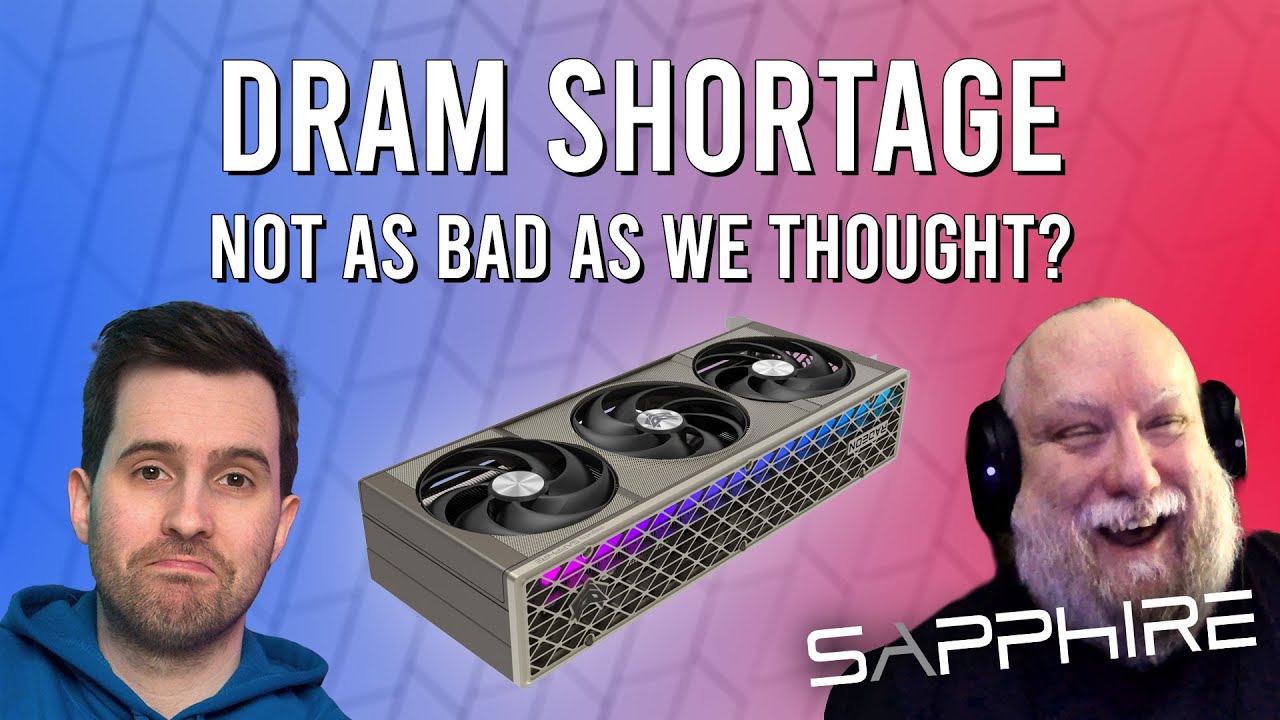
AIB partners have to follow strict guidelines when developing a graphics card. The main restrictions Nvidia and AMD put on their partners revolve around overclocking, power delivery, and memory.
AIB partners can't unlock additional voltage points to enable higher overclocking potential, and AIB partners can't add extra VRAM to make higher or lower capacity models, unless the GPU model in question officially supports it (such as the RX 9060 XT 8GB and RX 9060 XT 16GB, for example). Power limits can also be artificially restricted, preventing partners from going beyond a certain wattage envelope depending on the model. These limits are the main cause behind the performance linearity behind all modern GPUs, and how the cheapest RTX 5070, for instance, performs virtually the same as the most expensive version out of the box.
Furthermore, Crisler claimed that these limitations force customers to only look at the cooler designs from AIB partners and product support when buying a graphics card. Crisler also expounded on the highly requested Toxic series, noting that the limited headroom modern GPUs have today for overclocking prevents the company from creating new Toxic cards regularly with each new generation of AMD GPUs. Toxic represents Sapphire's flagship lineup, similar to Asus's ROG Astral graphics cards.
Edward Crisler talked about a variety of other details beyond just partner card design limitations. He revealed that the 12VHPWR connector inside the RX 9070 XT Nitro+ has been successful and only had issues in three cards he knows of. All three times, the fault was caused by a 16-pin adapter that was being used, and wasn't the fault of the power connector on the card or the power supply itself.
Crisler also revealed that the Steam Hardware Survey is not a perfect indicator for AMD market share. Crisler allegedly asked Valve how the survey was run, and Valve responded, claiming only a twelfth of the entire Steam userbase gets prompted to participate in the survey every month. Furthermore, Crisler believes that AMD's real gaming-only graphics card market share could potentially be up to 40%, not accounting for RTX 5090s.
Get Tom's Hardware's best news and in-depth reviews, straight to your inbox.

Follow Tom's Hardware on Google News, or add us as a preferred source, to get our latest news, analysis, & reviews in your feeds.
Aaron Klotz is a contributing writer for Tom’s Hardware, covering news related to computer hardware such as CPUs, and graphics cards.
What's Your Reaction?
 Like
0
Like
0
 Dislike
0
Dislike
0
 Love
0
Love
0
 Funny
0
Funny
0
 Angry
0
Angry
0
 Sad
0
Sad
0
 Wow
0
Wow
0